 Peter Founder
Vercel Agent Skills Take Ad Automation One Step Further
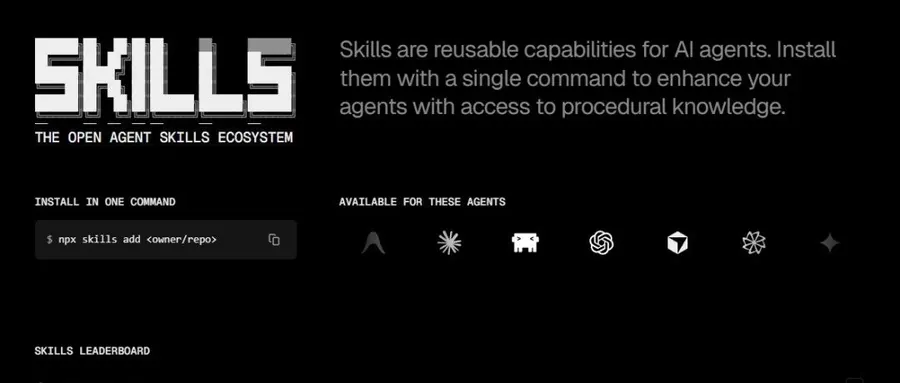
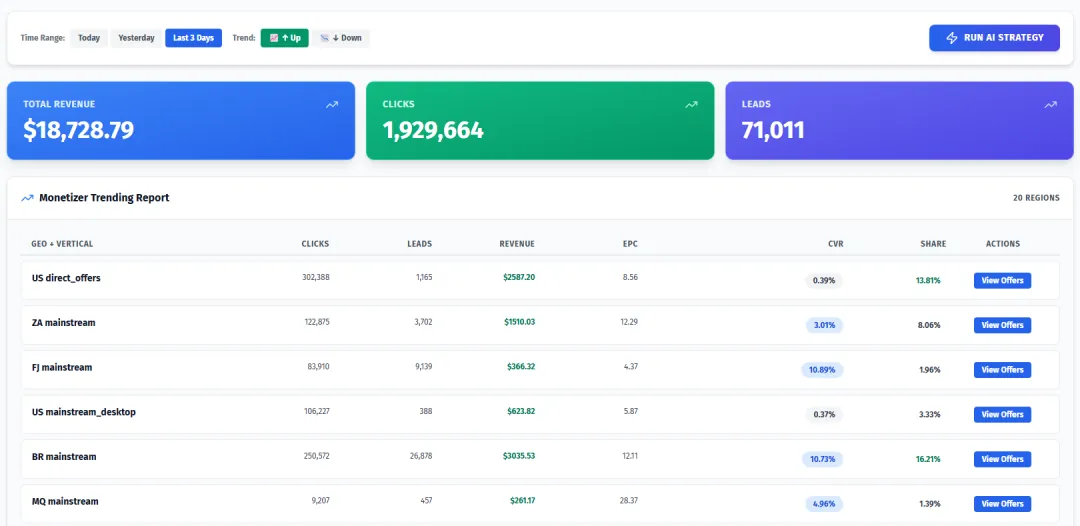
Last week I published a post about my Adv ad automation system, and over the past few days I’ve kept improving what the system can do. Now, even when I’m out, I no longer have to carry a laptop around to keep an eye on the data remotely.
I’ve packaged the system as a PWA, so I can check the data in real time and sync configuration changes from my phone. The feeling in that moment: Vibe Coding really is addictive, and it’s the kind of addiction that comes with continuous positive feedback.
But along the way, I’ve also been asked one very practical question, over and over:
“If I want to build my own automation tool or system too, where do I start?”
“Do I have to learn HTML / CSS / JS / React first?”
There’s nothing wrong with the question itself, but in the AI era it’s no longer the only correct starting point. Because right now, the entry point to front-end work and automation is being redefined!
1. What are Vercel Skills, and why are they worth watching?
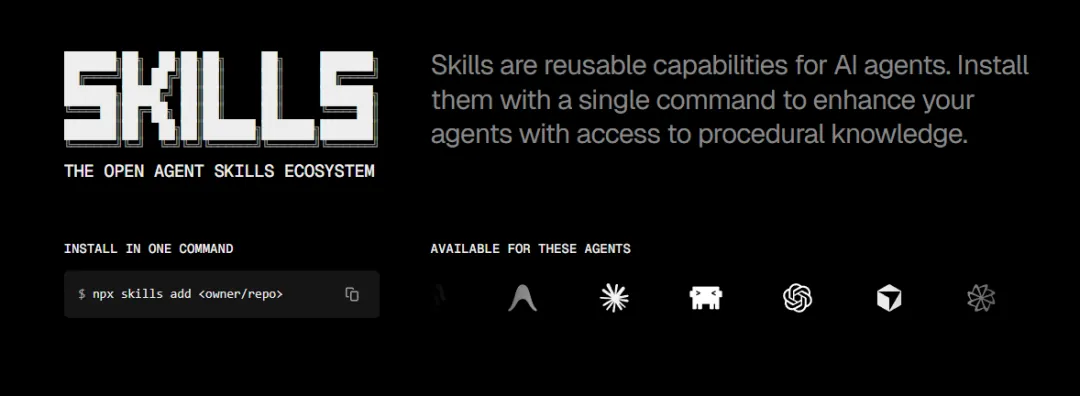
Just now, Vercel released something new: Skills.sh
Its positioning in one sentence:
Skills = skill packs that an AI Agent can call directly
It isn’t a front-end framework, and it isn’t a SaaS. It’s an open way of packaging Agent capabilities. Vercel took its ten-plus years of hands-on experience in front-end, UI/UX, React and web performance and organized it into a set of Skills that AI can use directly.
Installation is also very simple, just one command:
npx skills add <owner/repo>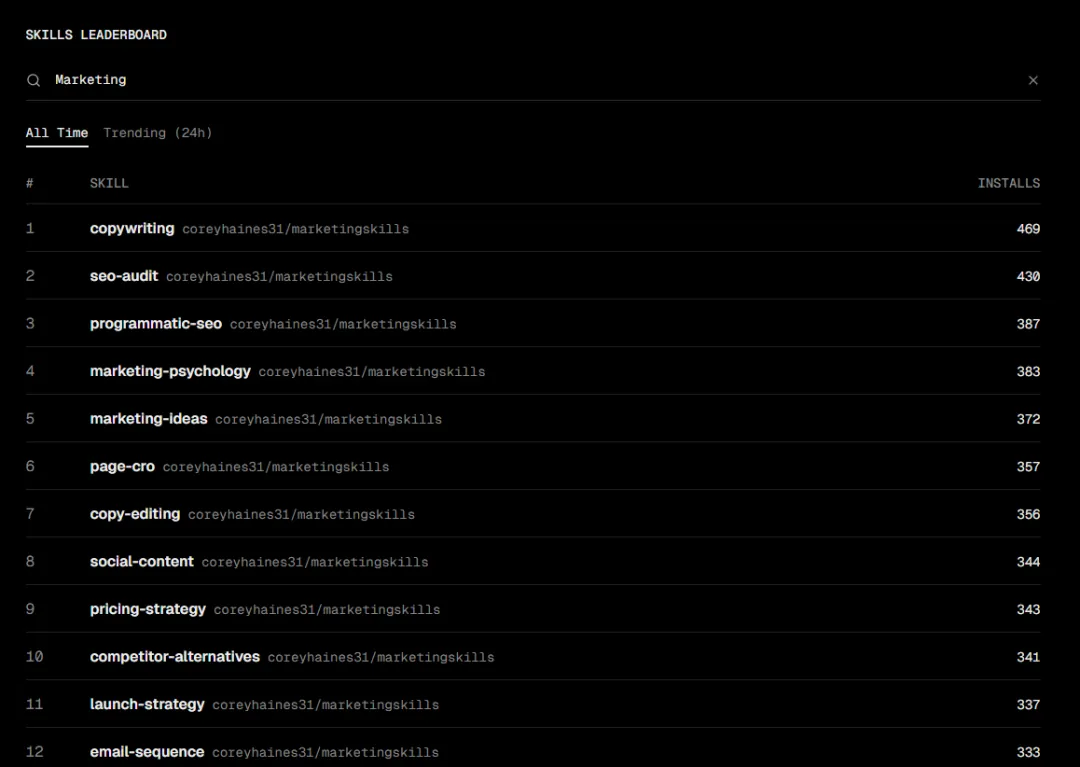
2. What does this really change?
Before Skills, our interaction with AI mostly looked like this: explain the requirement again every time, describe the business context again, and prompt the same problems over and over.
The essence of Skills is to solidify |context + methodology + rules| into a capability layer.
AI no longer starts understanding you from zero every time; it executes the task standing on top of a mature skill pack. For an ad automation system, this step is a watershed.
3. Why did I put it into my Adv ad automation system?
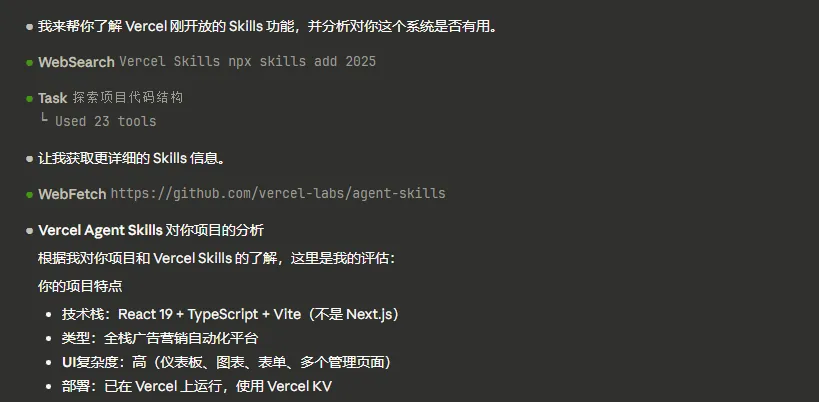
I asked Claude Code to analyze whether Vercel Skills could genuinely add value to my Adv ad automation system.
The system’s background isn’t complicated:
Tech stack: React 19 + TypeScript + Vite. Type: full-stack ad automation platform; UI: dashboards, charts, forms and several admin pages; deployment: Vercel KV.
Its conclusion: Skills are very well suited as a capability supplement layer for this kind of system.
4. The installed Skills are already doing their job
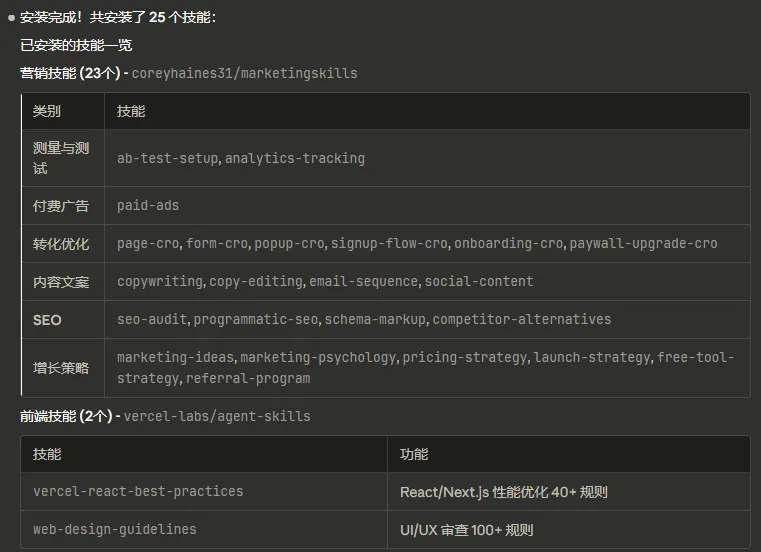
So far I’ve installed 23 marketing-related Skills, including Vercel’s official front-end Skills. For example, the ones shown below:
vercel-react-best-practices
web-design-guidelines
The criteria for choosing Skills are simple:
Not whether it can generate content, but whether it can take part in judgment.
The capabilities these Skills cover include:
Paid ads and testing: paid-ads, ab-test-setup, analytics-tracking;
Conversion rate optimization (CRO): page-cro, form-cro, signup-flow, onboarding, paywall, upgrade;
Content and copy: copywriting, copy-editing, email-sequence, social-content;
SEO and growth strategy: seo-audit, programmatic-seo, marketing-psychology, pricing-strategy, launch-strategy.
This means that when the Agent faces ads, landing pages, conversion paths and growth questions, it’s no longer “thinking something up on the spot”; it has a default set of judgment perspectives.
5. For an ad automation system, where is the real value?
Automation used to be mostly about solving execution problems:
Pull data automatically, calculate ROI automatically, pause or scale automatically by rule. Now there’s one more layer that is genuinely valuable: strategy capability.
For example, once Meta or affiliate network data is connected, the Agent doesn’t just calculate ROI; it can give optimization directions based on the paid-ads and CRO Skills;
When building a landing page for a new Offer, there’s no need to explain ad logic to the AI from scratch; it already “understands marketing”;
When adding modules later, there’s no need to design prompts over and over; existing Skills get reused.
The core of this change is:
AI is no longer just helping you write code or copy; it’s starting to take part in system-level judgment and decisions.
6. What does this mean for the everyday ad person?
You don’t have to become a front-end engineer, but by combining Skills, designing rules and defining decision flows, you can solidify your own experience into a system.
What will really be a moat in the future isn’t the tool itself, but:
Which judgment you ultimately deposit into the system
7. One last honest word
Vercel Skills isn’t a gimmick; it’s more like the plugin system of the Agent era.
If you’re building ad automation or SaaS, and you’re trying the AI + tooling route, this step is well worth staking out early.
2026: stop configuring ads by hand. Start with Skills, and turn your past judgment, and other people’s experience, into capabilities AI can execute directly.
New articles and quick notes from Peter.