 Peter Founder
Clawdbot (Moltbot): Its Real Value for Affiliate Ad Automation
Recently an open-source project has gone absurdly viral.
Clawdbot (since renamed Moltbot) gained 9,000 stars on GitHub in a single day, passing 60,000 in total. Mac Minis sold out because of it, and Anthropic even asked it to change its name.
Beyond the drama, what I care about more is something else:
Does this thing actually have any value inside an Affiliate and ad automation system?
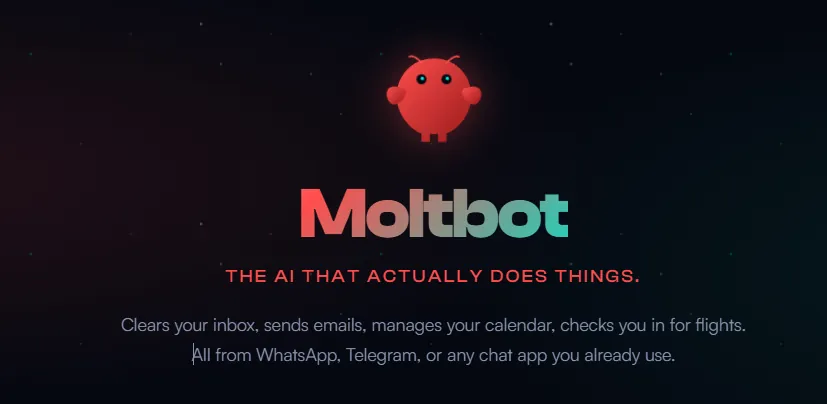
1. Moltbot is a self-hosted AI personal assistant
Unlike the ChatGPT and Claude we use every day, Moltbot isn’t an AI you open a web page to interact with.
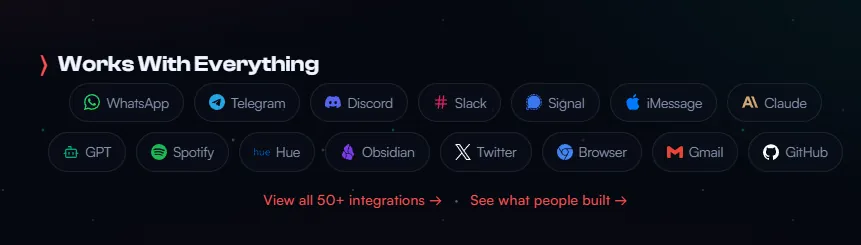
It runs directly on your computer or VPS and plugs into chat tools: WhatsApp, Telegram, DingTalk, WeCom (WeChat Work). You talk in the chat window; it does the work in the background.
The biggest difference: it’s proactive.
It can push messages on its own: send you a data summary every morning, alert you automatically when a server goes down. Through its automation system it connects to all kinds of APIs, including your calendar, email and spreadsheets.
Think of it as an AI assistant that’s online 24 hours a day.
2. What can Media Buying use it for?
Our daily work is actually pretty fixed:
Watch the data, set budgets, pause underperforming ads and creatives, check ROI. These actions repeat, and if you haven’t built your own ad automation system, someone has to watch them by hand.
Moltbot’s value isn’t in the media buying itself. It’s in these two things:
Proactive push + API integration
Based on those two capabilities, here’s roughly what it can do in a Media Buying scenario:
-
Automated alerts: when a campaign’s CPA goes over a threshold, or ROI suddenly tanks, it can message you proactively via WeCom or Telegram. You don’t need to refresh the tracker every 10 minutes.
-
Scheduled triggers: for example, set it so that before 9 a.m. every day it automatically totals yesterday’s spend, revenue and ROI for every campaign, sorts them by performance and sends them to you.
-
Rule execution: if you’ve written rules in Python before, auto-pausing zones, adjusting bids, starting or pausing ads, you usually needed an extra server and cron jobs.
What Moltbot changes is that you can describe the rules in natural language and let it execute them.
For example: you’re out having dinner and suddenly get a WeCom push saying a campaign has hit its budget cap and the ROI looks good. You reply right there in the chat: scale it!
3. How is it different from Claude Code?
Very different. They’re two completely different things.
Moltbot is a third-party open-source project. It can use Claude models as one of its backends, but you can also hook up GPT or other models. It has nothing to do with Anthropic itself.
The main differences:
-
Claude Code lives in the terminal; Moltbot lives in your chat tools
-
Moltbot has persistent memory across sessions, while Claude Code has context limits
-
Moltbot can run in the background 24 hours a day and message you proactively
If your work mostly happens in the terminal, Claude Code is enough;
Moltbot only makes sense if you need the system to keep running on its own while you’re not watching.
4. The security problem can’t be ignored
This is what I think is the biggest problem at this stage.
Moltbot needs authorized access to your file system, email credentials and browser permissions. If you connect ad platform APIs, those API tokens are even more sensitive.
From a security standpoint, I don’t think it’s suitable for most media buyers to use directly.
Setup involves a Node.js environment, messaging platform integration, permission management and controlling network exposure. Every step needs a technical foundation.
Yes, Tencent Cloud and Alibaba Cloud in China have now launched one-click deployment. But I’d only suggest it for experimenting, not as your main setup.
5. My thoughts
If all you want is ad automation, the safest option at this stage is still Claude Code + Skills.
This wave of hype shows at least one thing:
The market has strong demand for proactive AI assistants
We repeat far too many operations every day. If a reliable AI can watch the data, execute the rules and raise alerts for you, you can spend your time researching new creatives and new plays.
Moltbot really does open up new ideas, but inside an ad system, it still has a way to go.
We chase ad automation, but the premise is always the same: stability above everything.
New articles and quick notes from Peter.