 Peter Founder
10 Billion Tokens Burned in 3 Months: How to Run Ads in H2 2026
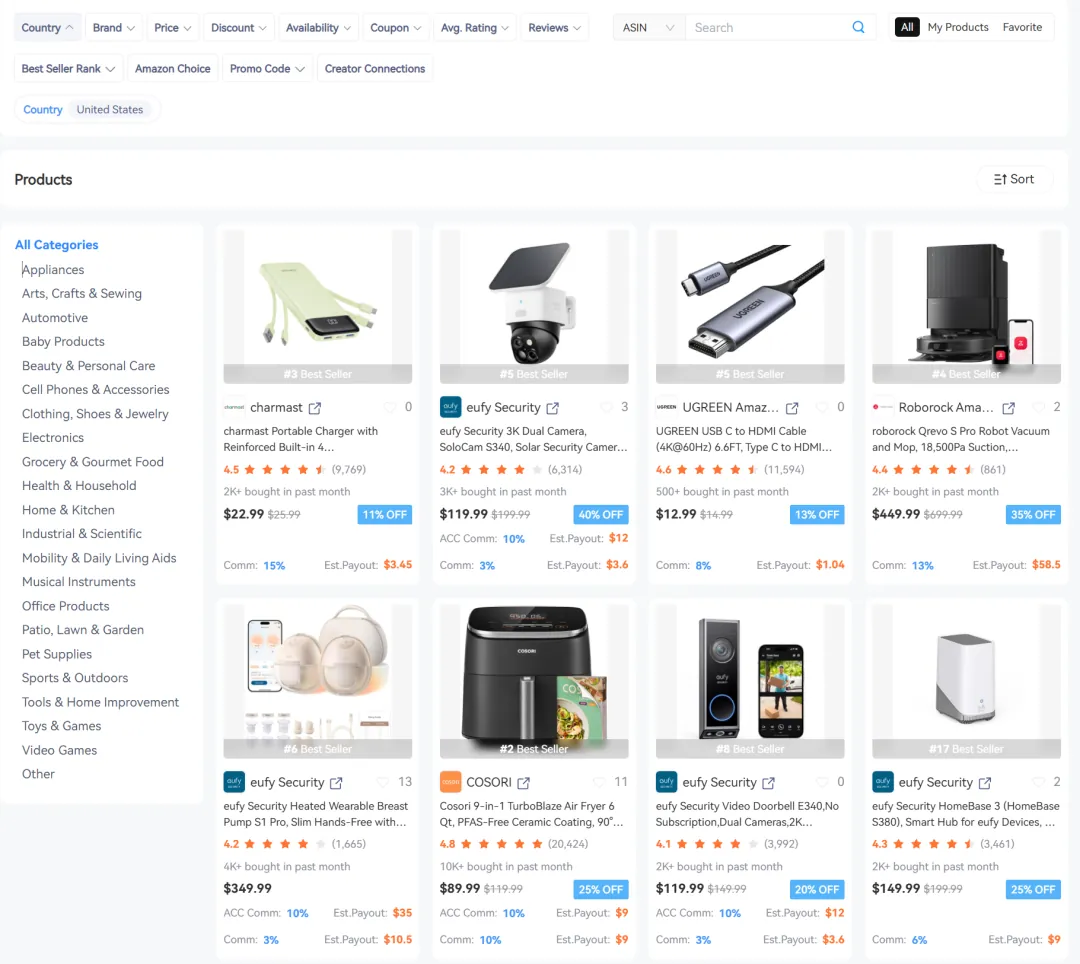
Before talking about the second half of the year, there’s no avoiding the PB (PartnerBoost) project that’s blowing up lately; nearly every community is discussing it.
My own situation first: I have the account, the direction is set, but I haven’t started running yet.
I see some community members getting very anxious: a project gets hot and they want to squeeze in. Just one point here: PB’s payment cycle is a completely different thing from running affiliate networks. Have you done that math properly before starting?
Although I haven’t started testing, I’ve been receiving test reports of all kinds from enthusiastic community members.
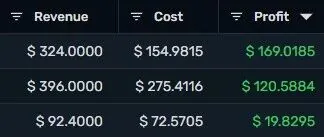
From the early testing feedback, if you can get the full loop working, you’ve already won 70%. Some found 3-5 profitable offers out of 100; some built a whole automation system straight away; others launch ads purely by hand, 60-70 a day.
So quite a few members have messaged me privately: is this project worth doing?
Based on what I’ve seen: yes, it can be done. But whether it suits you to run it is something to weigh carefully.
3 months ≈ 10 billion tokens
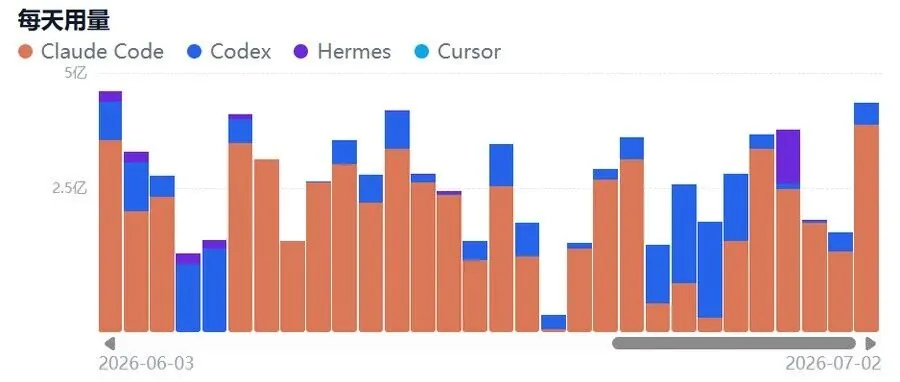
A few days ago I saw a token usage tally in Shengcai Youshu (a paid business community). Only then did I realize: over the past 3 months I’ve used 10 billion tokens. Probably more than that.
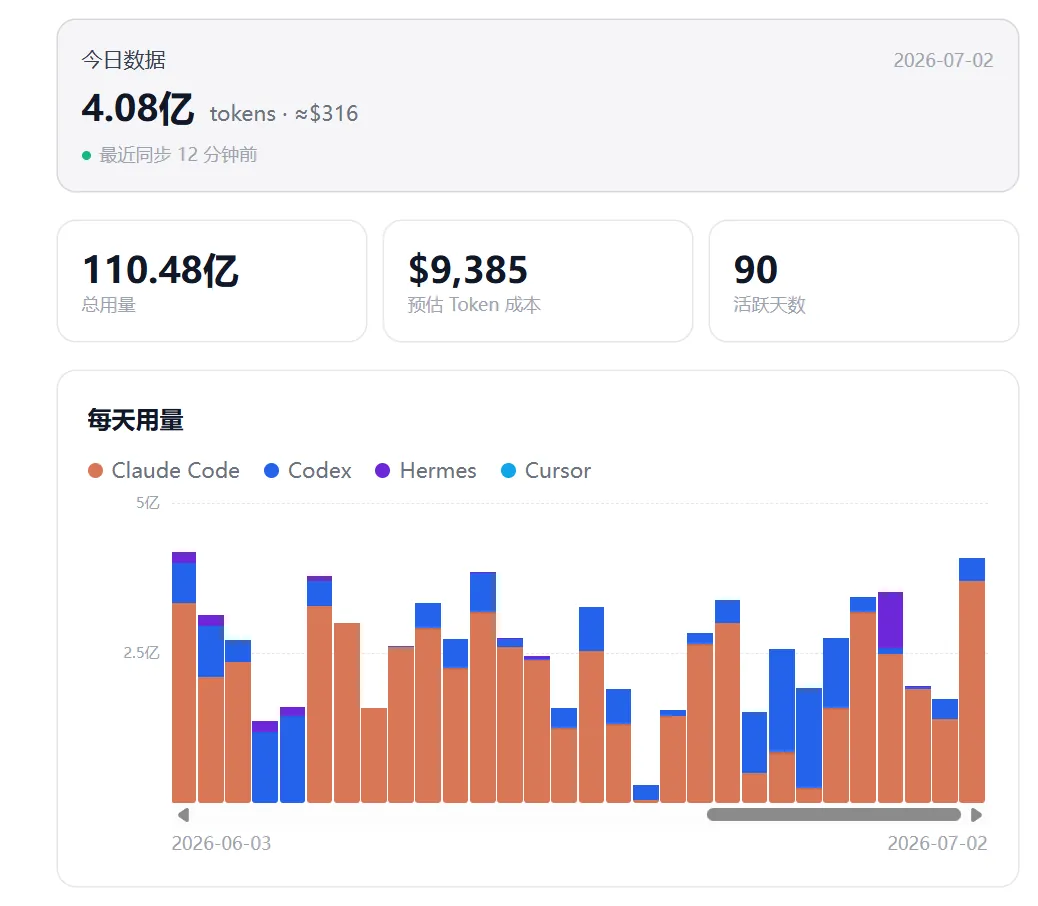
Where exactly did these 10 billion go? Let me sum up.
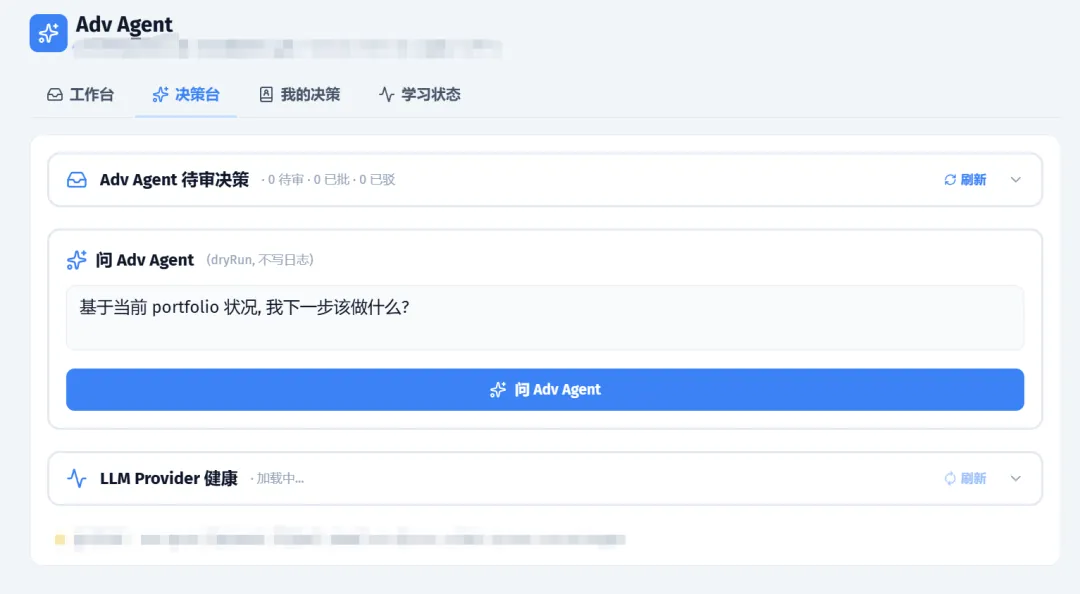
1. The Adv ad automation system
Getting this system to work smoothly ate up a huge amount of my time and tokens.
Strictly speaking, it’s not yet a real tracking system. It just strings together the scattered traffic sources, multiple trackers and network dashboards through API integrations, with a layer of automation on top.
It mainly includes:
- Automatic campaign creation
- Ad trend analysis
- Domain check system
- Quantitative media buying engine
- AI weighting automation
⑥ The Adv Agent brain
2. Obsidian + knowledge base
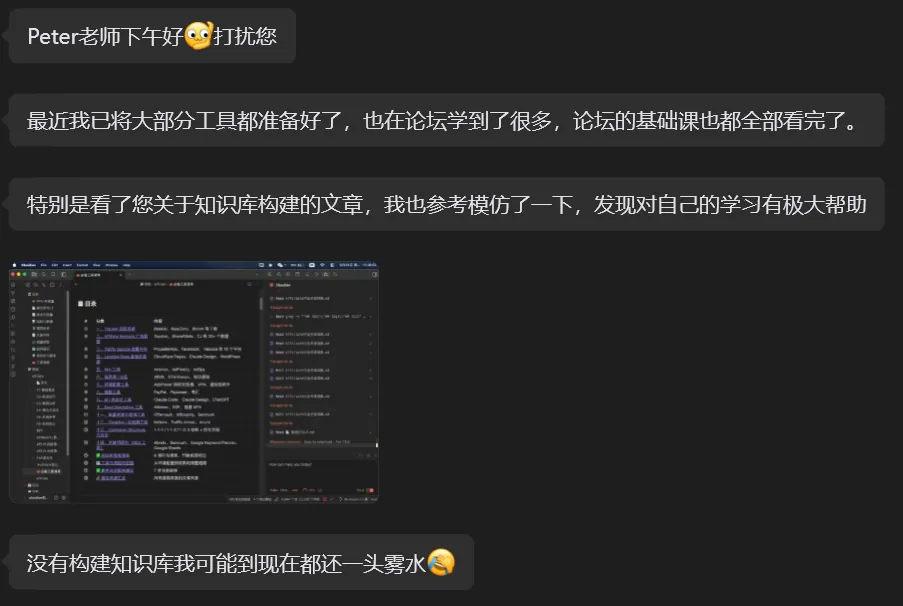
Next is building the knowledge base. Its role is straightforward: it gives me a home base for continuous learning and analyzing the business from multiple angles.
Recently some community members have followed the article I wrote earlier and built their own knowledge bases, and they mentioned it has helped their learning.
3. Third-party agents
Hermes, for example, which I’ve been using very heavily lately. These third-party agents are usually big token consumers, but I think it’s worth it.
One example: it just built me my own spy tool. Every day the Hermes agent automatically scrapes and fills in new advertisers and ad creatives that match my criteria.

Direction for the second half
1. Upgrade the tracking system
I’ve just migrated the whole project to a dedicated server. Next, I’ll work with the agent first to map out the complete feature set and the specific deployment plan for custom tracking.
The goal is clear: upgrade the Adv ad automation system into a real tracking system, and stop using Bemob and Skro, which I’m on now.
From then on, all tests and live campaigns will run through my own tracking.
But I’ll also avoid reinventing the wheel and keep the whole thing lightweight.
2. Expand the arbitrage testing direction
The ProPush Constructor project I shared earlier isn’t something I only started recently; I’ve been running it on and off for most of a year. I know the whole arbitrage logic and testing direction well, and that’s the fundamental difference from the PB project.
Before entering a new project, my habit is to do the preparation thoroughly first, then launch. That may mean missing some windows. But not everything has to be grabbed.
For an individual or a small team, only once you’ve fully mastered the project in hand should you step up testing on more projects.
3. Case studies
In the second half I’ll also work with some large advertisers, picking topics and writing case studies. I just finished one recently and will share it with you later.
Finally, I hope you all find the project that’s truly yours in the second half of the year.
New articles and quick notes from Peter.